Campuses Are Living Laboratories for Regeneration
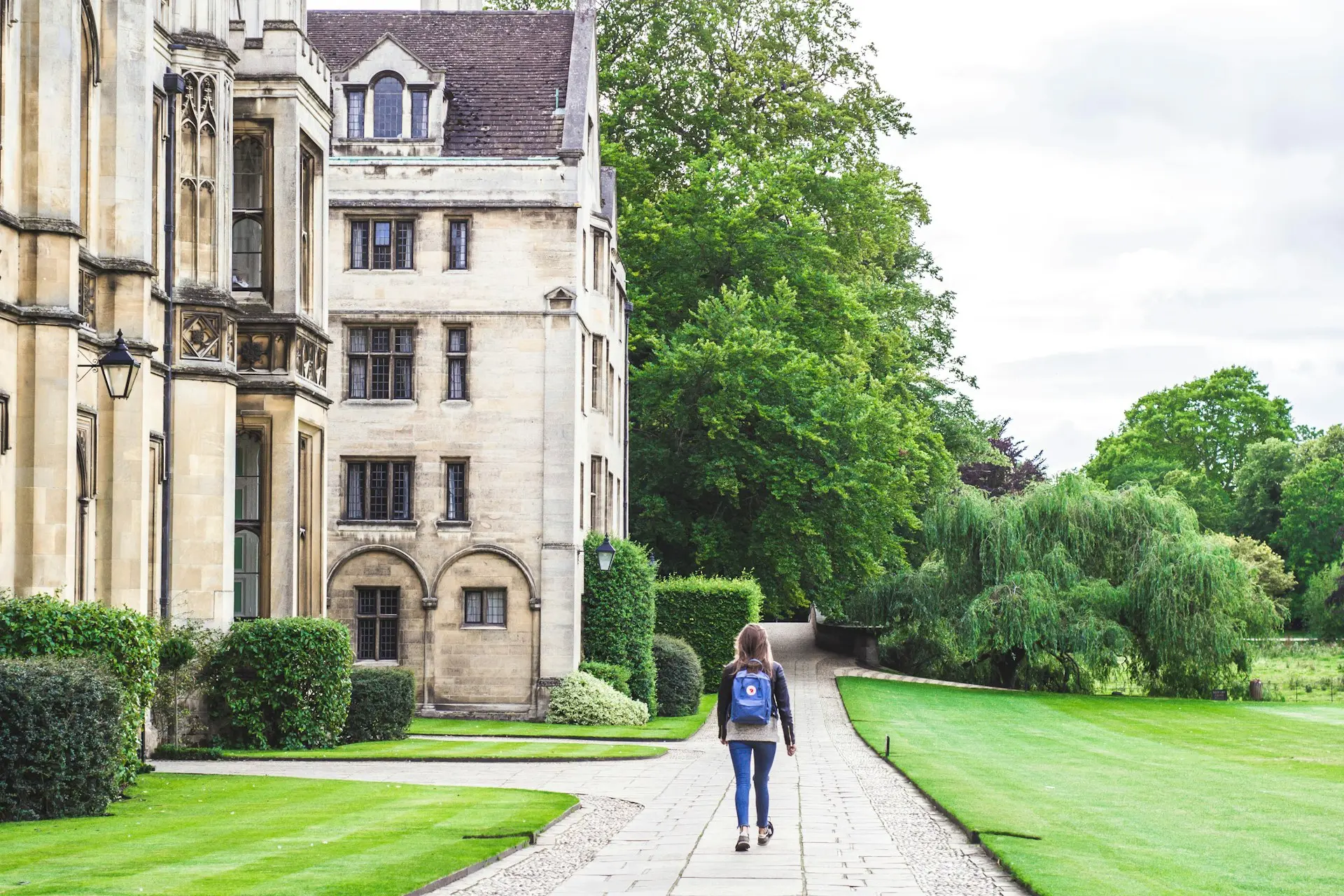
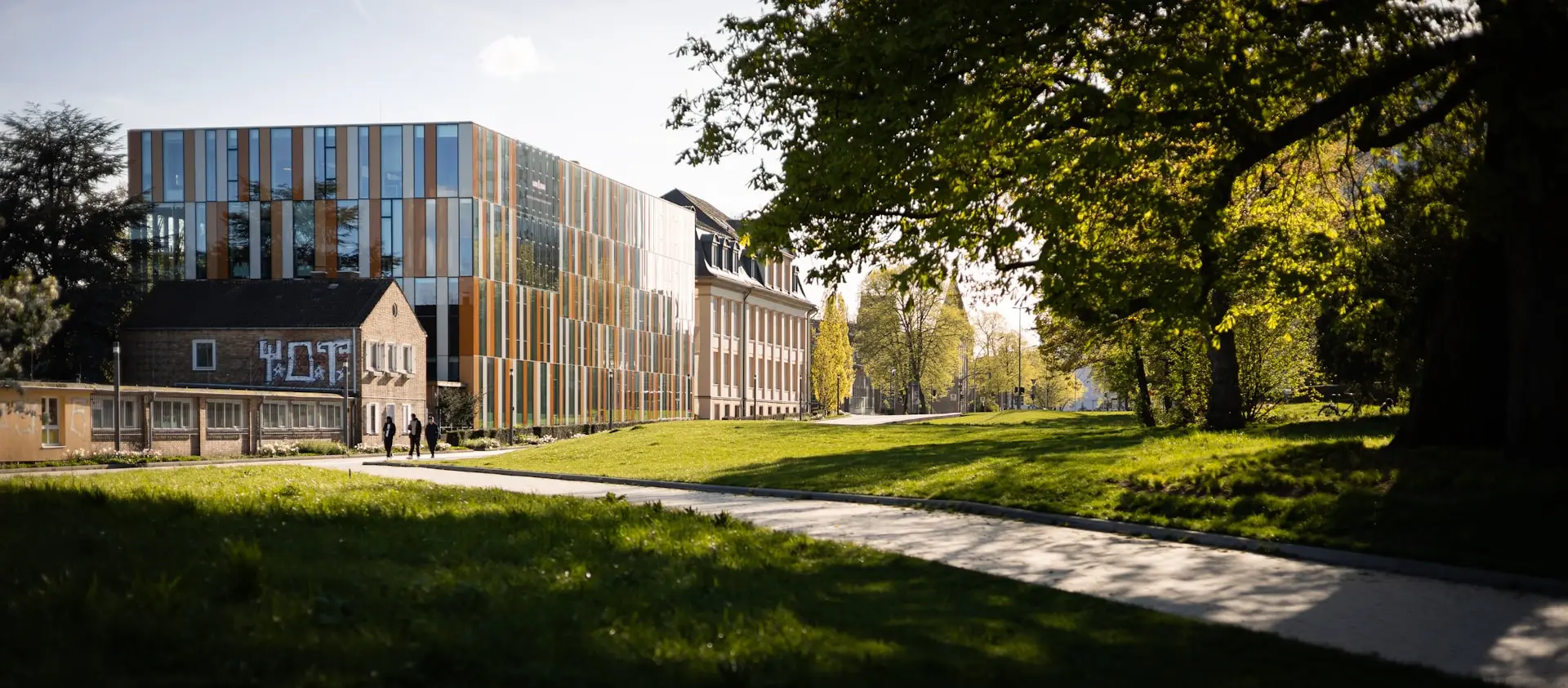
We work with academic and institutional partners to design and steward regenerative campuses that function as active learning systems. By applying edaphodynamic engineering across soil, hydrology, vegetation, and human use, we convert underperforming landscapes into measurable, teachable systems that regenerate ecological function while supporting research, instruction, and community engagement.



Why It Matters
Regenerative campuses close the gap between sustainability goals and real-world performance. When soil, water, and vegetation are designed as integrated systems, campuses sequester carbon, manage stormwater, reduce long-term maintenance costs, and create meaningful spaces for learning and gathering. These landscapes do not symbolize responsibility. They operationalize it.
Outcomes:
Convert maintenance spending into long-term ecological investment
Create hands-on learning environments rooted in real data and real systems
Increase resilience to flooding, drought, and climate volatility
Reduce nutrient runoff and downstream water impacts
Support LEED, STARS, ESG, and institutional reporting with field-verified outcomes

Our framework in four phases
1
Diagnose
Assess soil biology, hydrology, vegetation performance, and human use patterns to identify constraints on campus ecological function.
2
Design
Develop edaphodynamic blueprints that integrate soil restoration, water movement, vegetation structure, and educational use.
3
Deliver
Implement restoration through native planting, soil rebuilding, hydrological redesign, and regenerative maintenance transitions.
4
Demonstrate
Monitor system performance and learning outcomes, generating data that supports education, reporting, and continuous improvement.
Our Core Solutions
Transform underutilized grounds into functional research and teaching systems that demonstrate regenerative processes in action.
Rebuild infiltration, reduce erosion, and restore soil structure to manage water as a resource rather than a liability.
Shift from extractive landscaping to stewardship-based management that improves soil and vegetation performance over time.
Design interpretive systems, field labs, and curriculum-aligned landscapes that translate ecological function into learning.
Quantify soil carbon, vegetation dynamics, and biodiversity indicators using field data to support institutional accountability.
Campuses Shape the Next Generation of Regenerative Practice
Turn your grounds into living systems that teach restoration by example and perform under real conditions.