Ecology Over Eradication
Invasive species dominance is not a standalone problem. It is a signal of disrupted soil processes, altered water movement, and broken competitive relationships. When native plants lose access to nutrients, oxygen, and stable structure, opportunistic species fill the void. At Tierra Buena, invasive suppression begins belowground. By restoring soil aggregation, microbial balance, nutrient cycling, and hydrologic function, we re-establish the environmental pressures that favor native communities and limit invasive spread.
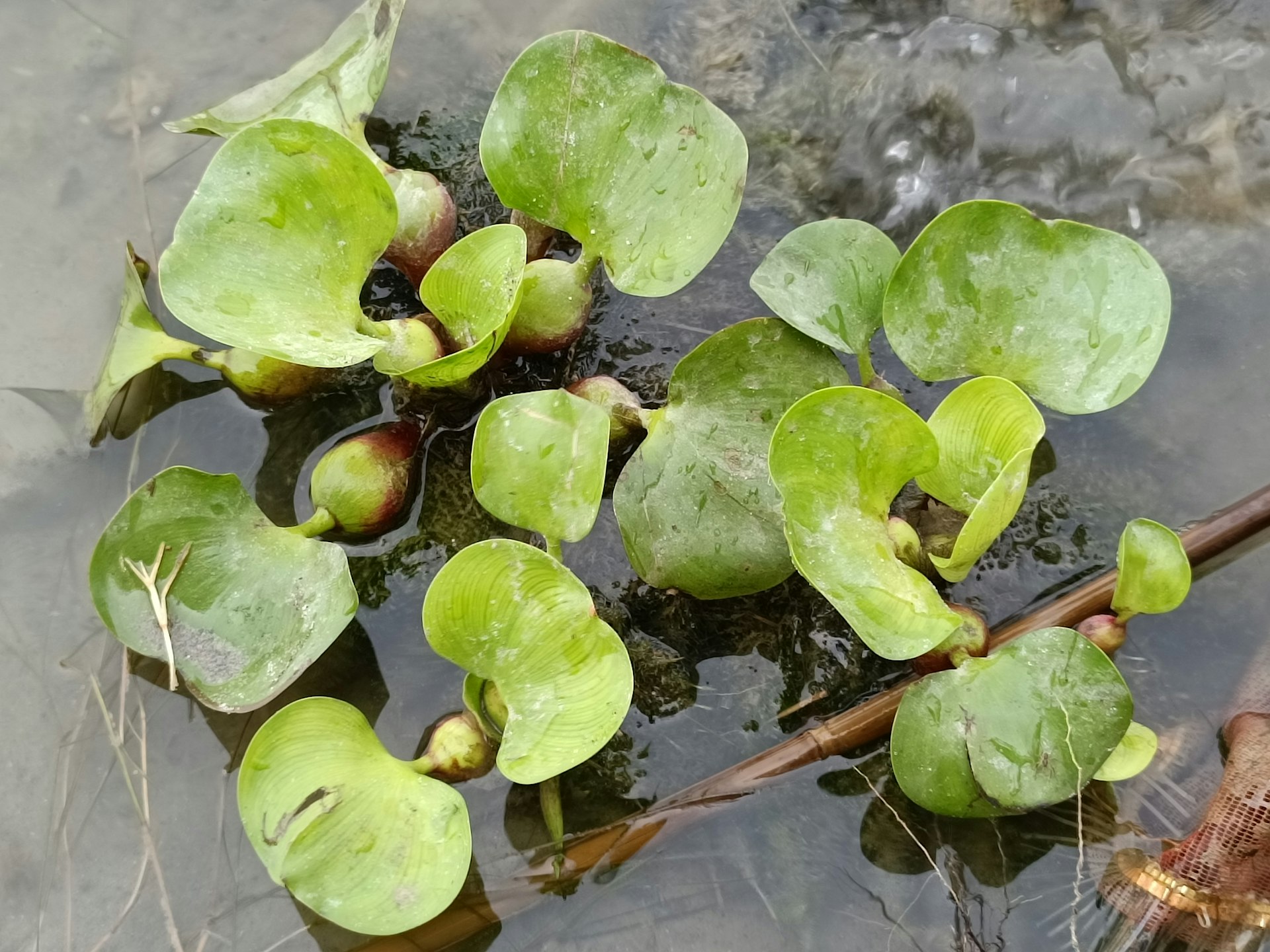


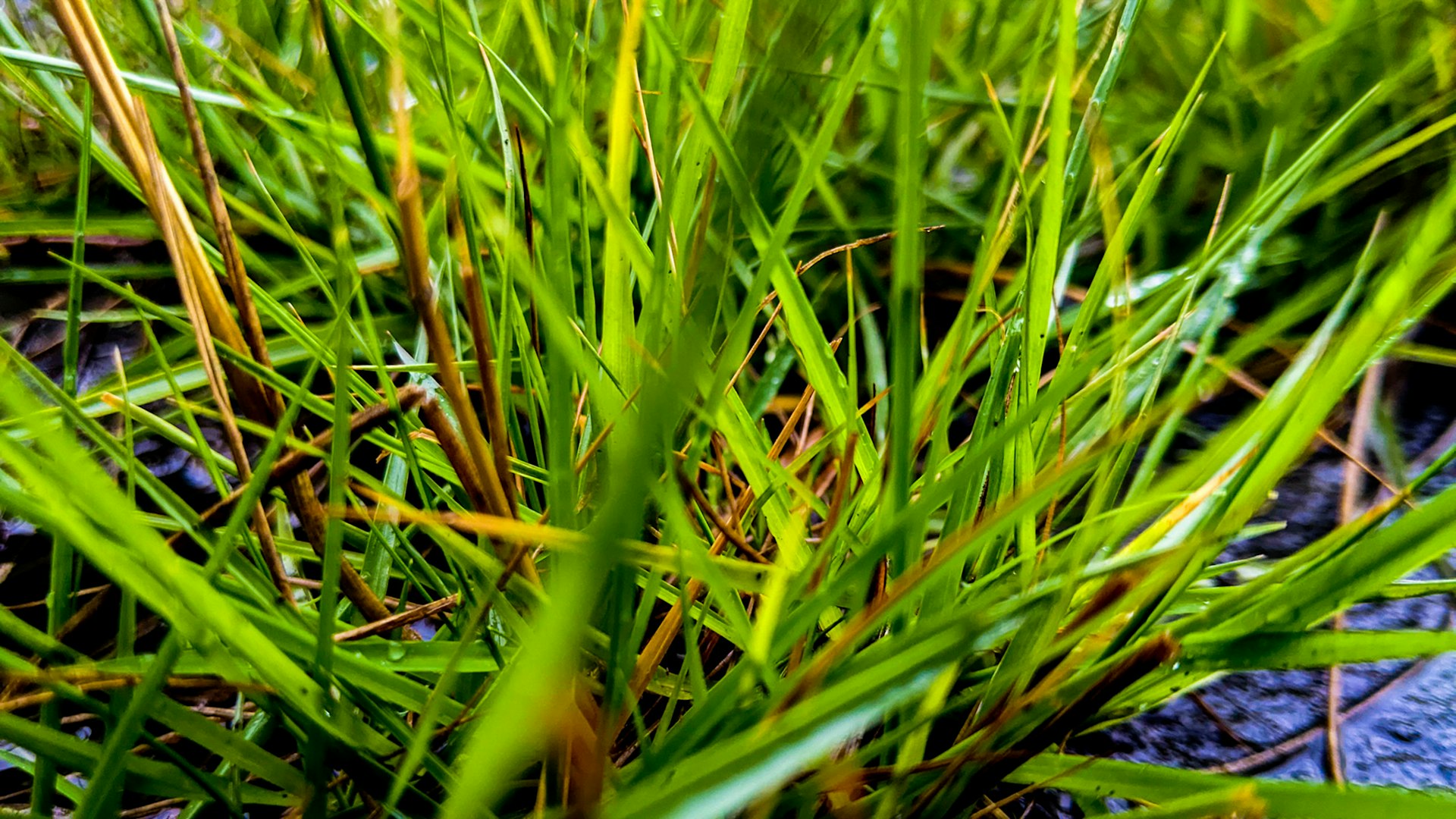
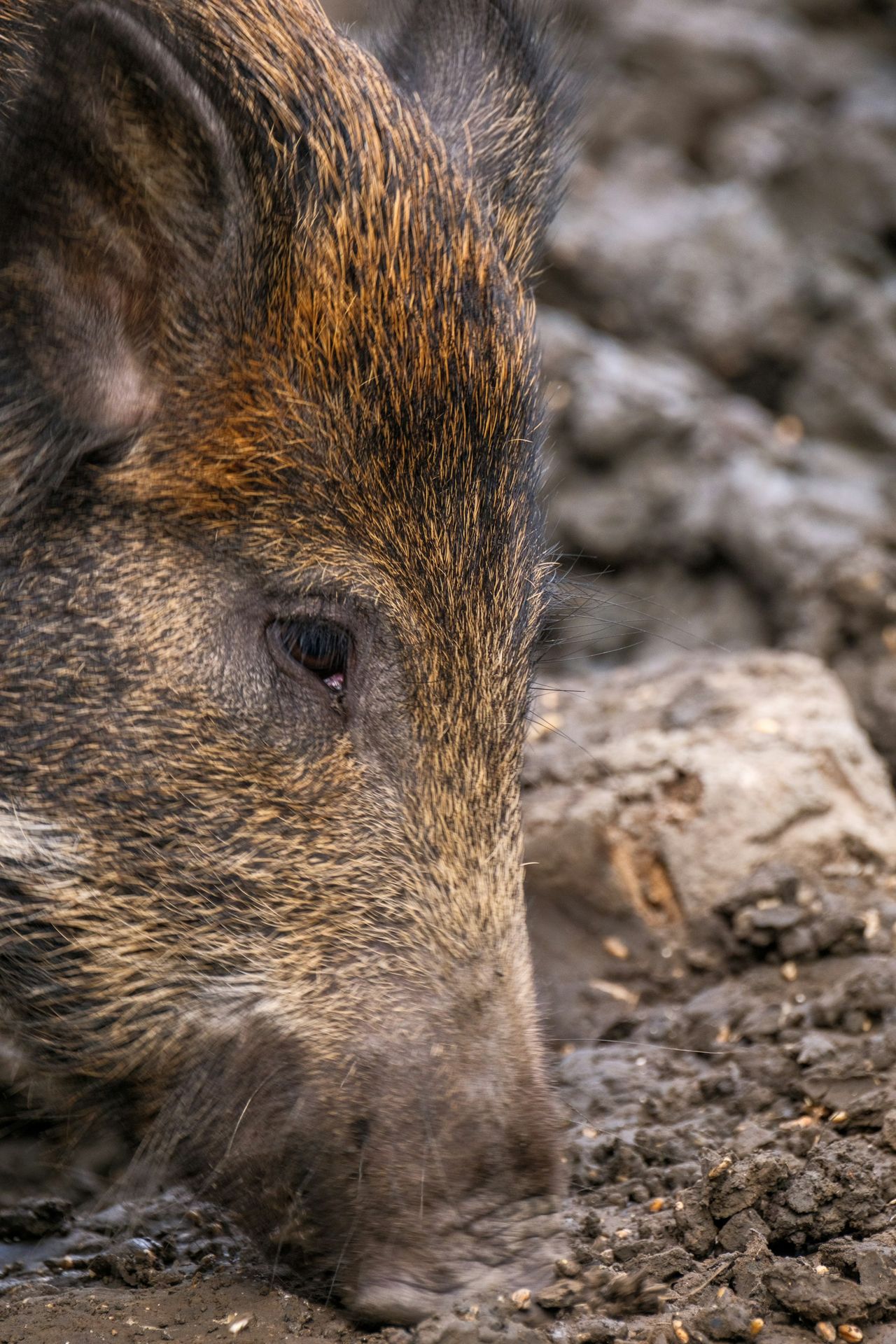

Why It Matters
Invasive species dominate when ecosystems lose their internal checks and balances. Left unchecked, they degrade soil structure, accelerate erosion, disrupt water cycles, and lock land into cycles of chemical dependency and repeated disturbance. By restoring native biodiversity and soil function, invasive pressure declines naturally over time. This reduces long-term management costs, protects water quality, and stabilizes landscapes without relying on perpetual clearing or chemical inputs.
Outcomes:
Reduces recurring herbicide and mechanical control costs
Restores native plant competitiveness and soil resilience
Improves nutrient cycling and water infiltration
Protects downstream water quality and infrastructure
Creates landscapes that resist reinvasion through function, not force

Our framework in four phases
1
Diagnose
Identify soil, hydrologic, and biological imbalances that enable invasive dominance, including compaction, nutrient skew, moisture extremes, and disrupted microbial communities.
2
Design
Develop edaphodynamic strategies that restore competitive pressure through soil restructuring, nutrient rebalancing, hydrologic correction, and native community design.
3
Deliver
Implement targeted removal only where necessary, paired with soil correction, native re-establishment, and ecological buffering to prevent rebound.
4
Demonstrate
Monitor vegetation dynamics, soil indicators, and competitive balance over time to confirm long-term suppression and ecosystem stability.
Our Core Solutions
Use precise mechanical, biological, or minimal chemical interventions only where needed, immediately followed by native reseeding and soil correction to prevent recolonization.
Correct soil chemistry, structure, and microbial dynamics that favor invasive species, restoring conditions that support native competitive advantage.
Repair altered water flow patterns that enable invasives to establish, stabilizing moisture regimes across the landscape.
Design plant communities that evolve over time, using succession dynamics to outcompete invasives naturally.
Track vegetation shifts, soil health, and ecosystem balance seasonally, adjusting strategies to ensure suppression remains permanent.
We don’t kill weeds. We restore competitive systems.
Let’s rebuild soil and ecological balance so the land regulates itself.