Infrastructure That Defends the Future
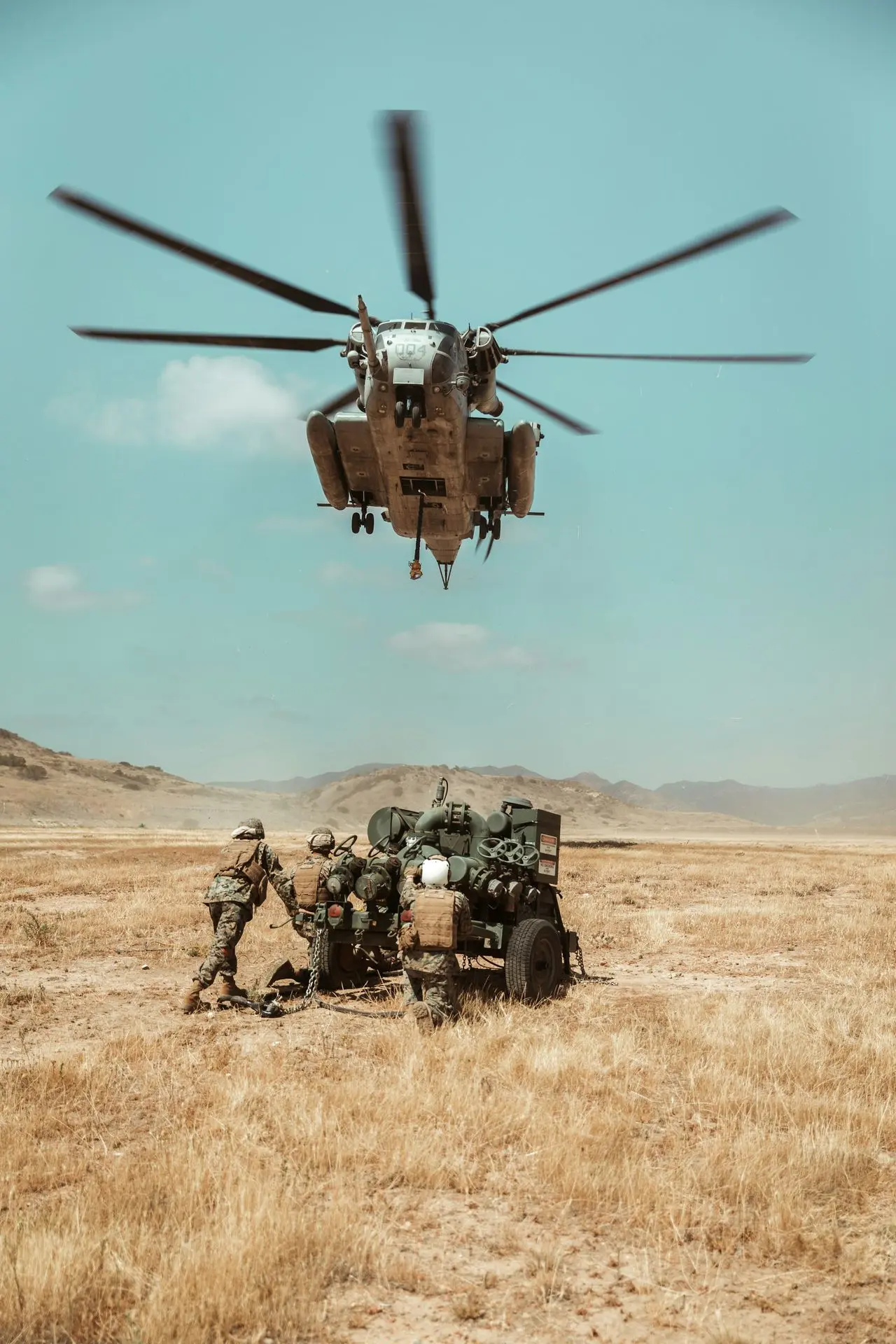
Mission readiness depends on stable ground, predictable hydrology, and landscapes that perform under stress. Tierra Buena partners with defense, aerospace, and federal agencies to engineer regenerative land systems that reduce erosion, control water, and restore soil function around mission-critical operations.
By integrating edaphodynamic engineering with conventional infrastructure planning, we transform vulnerable landscapes into resilient systems that protect assets, reduce environmental risk, and sustain long-term operational performance. When land systems function correctly, everything built on them performs better.




Why It Matters
Every mission depends on land that holds together. Soil degradation, erosion, and unmanaged water flows undermine infrastructure, increase maintenance costs, and expose operations to environmental and compliance risk. Regenerative land systems restore structural stability, improve infiltration, and create predictable performance under extreme conditions.
This approach reduces long-term vulnerability while aligning operational security with environmental resilience.
Outcomes:
Reduces erosion and flood exposure around mission-critical assets
Stabilizes soil structure and subsurface hydrology
Lowers long-term maintenance and remediation costs
Strengthens compliance with federal sustainability and resilience mandates
Enhances operational reliability under changing climate conditions
Our framework in four phases
1
Diagnose
Assess soil structure, hydrology, vegetation dynamics, and failure risks at operational sites.
2
Design
Engineer regenerative infrastructure plans aligned with mission requirements, engineering standards, and site-specific constraints.
3
Deliver
Implement soil stabilization, drainage redesign, vegetative systems, and water-retention infrastructure.
4
Demonstrate
Verify ecological and structural performance through measurable, defensible data.
Our Core Solutions
Engineer erosion-resistant land systems using vegetation, carbon inputs, and structural soil repair techniques.
Design drainage and infiltration systems that protect infrastructure while reducing environmental risk.
Establish durable native cover for buffer zones, perimeters, and operational landscapes.
Provide quantifiable metrics for soil recovery, vegetation performance, and federal sustainability reporting.
Integrate regenerative land systems into long-term defense and aerospace planning to maintain performance under future stressors.
Operational strength begins with ecological stability.
Protect critical infrastructure from the ground up with regenerative systems designed to endure.