Regeneration as Infrastructure
Energy production and ecological integrity are not opposing forces. When land systems are designed to function, operations become more stable, efficient, and defensible over time.
Tierra Buena partners with oil and gas operators, renewable energy companies, utilities, and industrial developers to restore degraded and high-impact landscapes into biologically functional systems. Through edaphodynamic engineering, we rebuild soil structure, restore hydrologic balance, and reestablish vegetation systems that reduce risk, lower maintenance burdens, and improve environmental performance.
The most durable infrastructure is built on living systems.
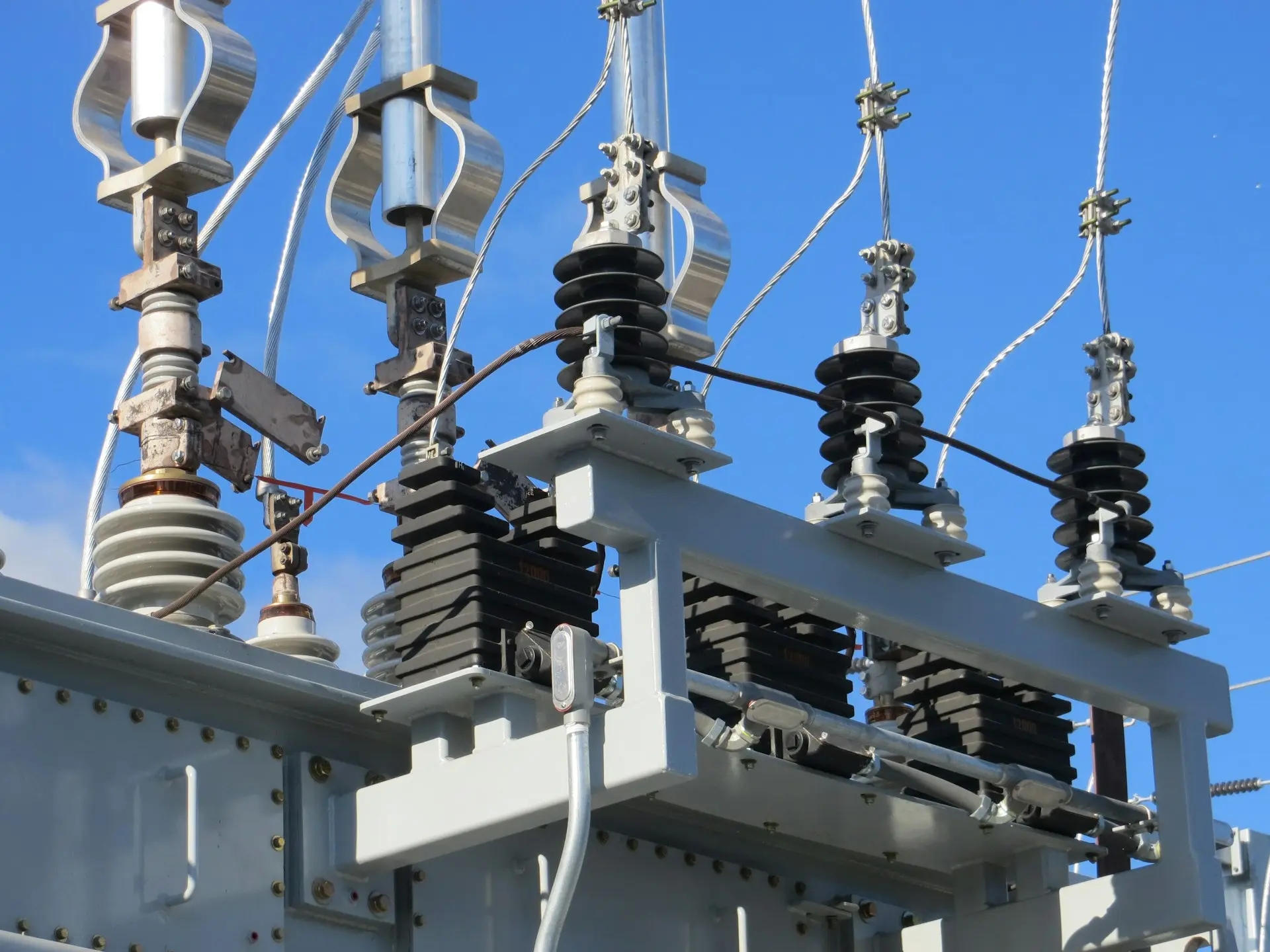

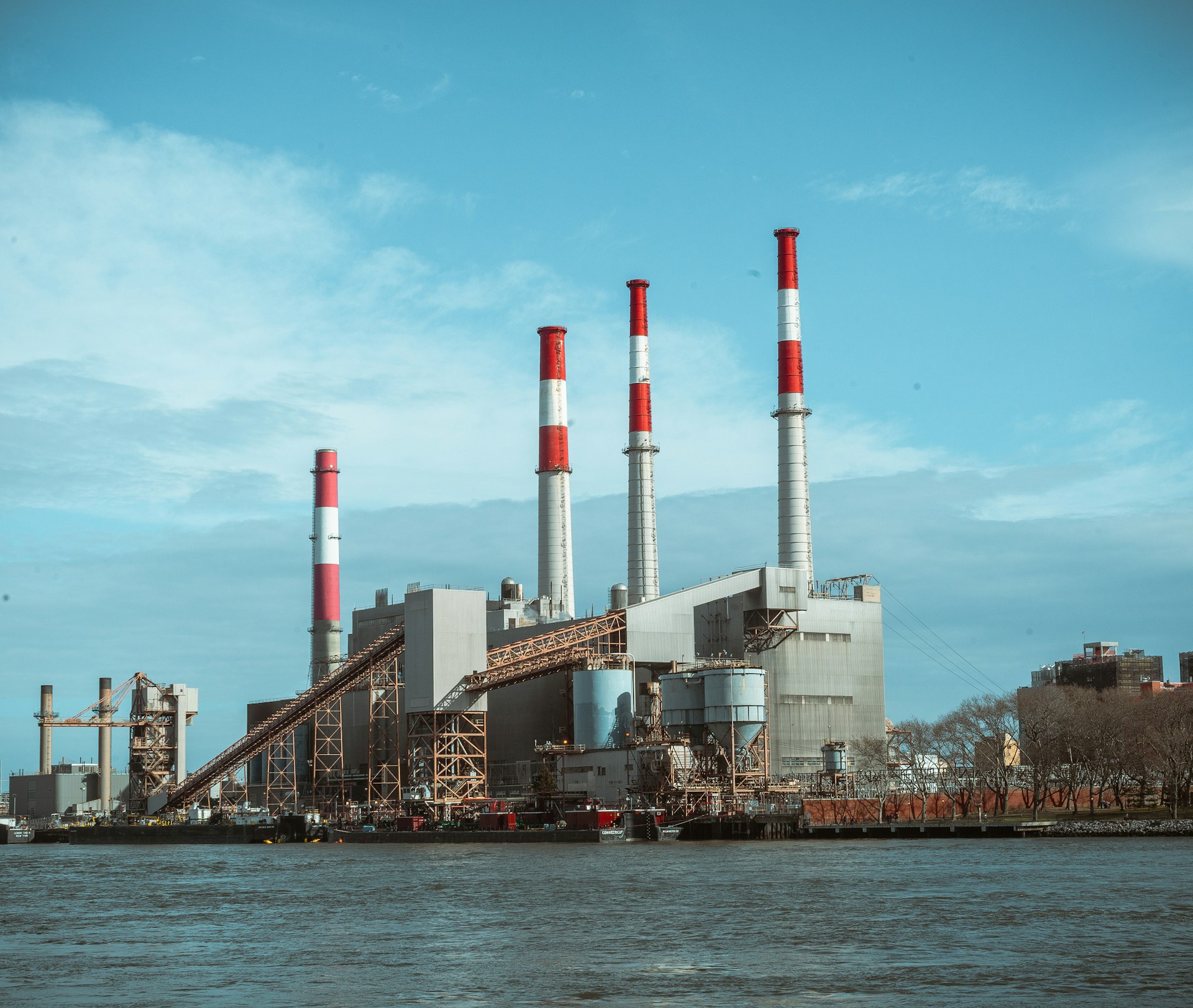
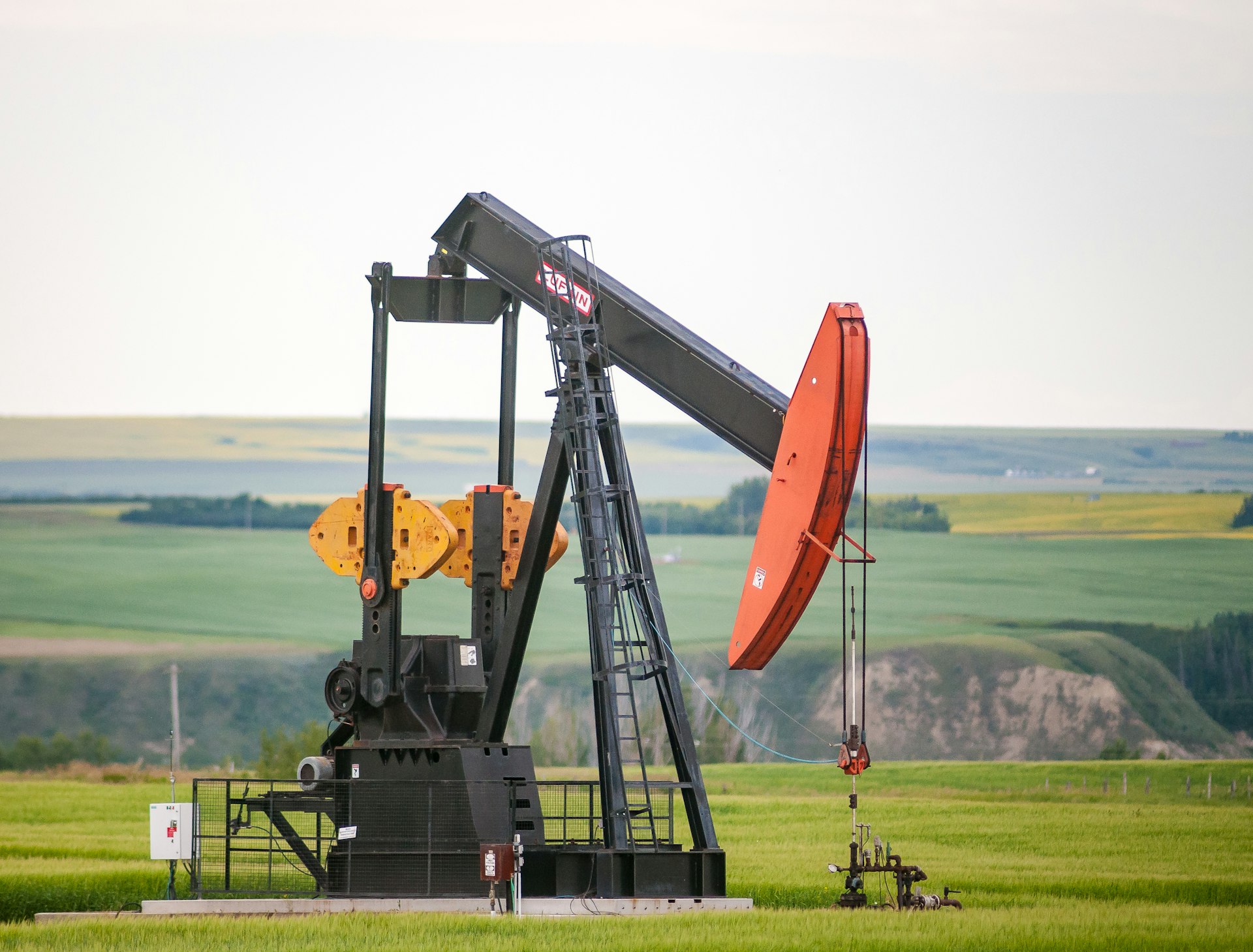


Why It Matters
IIndustrial operations depend on stable ground, predictable water movement, and resilient vegetation. These systems are often the first to fail under disturbance, leading to erosion, sediment loss, regulatory exposure, and escalating maintenance costs.
Regenerative land systems restore the biological and hydrological processes that conventional engineering cannot sustain alone. By repairing soil structure and landscape function, Tierra Buena helps energy and industrial operators protect critical infrastructure, reduce long-term liabilities, and demonstrate measurable environmental leadership.
Outcomes:
Reduces erosion and infrastructure damage across operational corridors
Improves infiltration, soil structure, and site stability on disturbed lands
Lowers reclamation, maintenance, and repair costs over time
Supports compliance with EPA, ESG, and sustainability reporting requirements
Demonstrates proactive environmental stewardship and risk management

Our framework in four phases
1
Diagnose
Assess soil degradation, hydrologic imbalance, compaction, and vegetation stress across operational zones to identify failure points and restoration priorities.
2
Design
Develop regenerative engineering plans that stabilize terrain, manage runoff, rebuild soil function, and align with operational and regulatory requirements.
3
Deliver
Implement seeding, composting, mineral balancing, hydrologic design, and vegetative systems to restore both biological and structural integrity.
4
Demonstrate
Monitor infiltration, vegetation recovery, erosion reduction, and carbon storage to produce verifiable, reportable performance data over time.
Our Core Solutions
Rebuild soil structure and vegetation along energy transport routes to reduce erosion, improve stability, and accelerate ecological recovery.
Design regenerative drainage and retention systems that protect industrial assets while reducing sediment loss and downstream impacts.
Restore mined or heavily disturbed sites through soil regeneration, native revegetation, and long-term landscape stabilization strategies.
Apply mineral balancing, biochar, compost, and biological inputs to strengthen soil structure and increase long-term carbon storage.
Deliver verifiable data on soil recovery, vegetation performance, erosion control, and carbon outcomes for internal tracking and regulatory reporting.
Sustainable industry is built on regenerative infrastructure.
Protect your assets, restore your land, and strengthen operational resilience for decades to come.